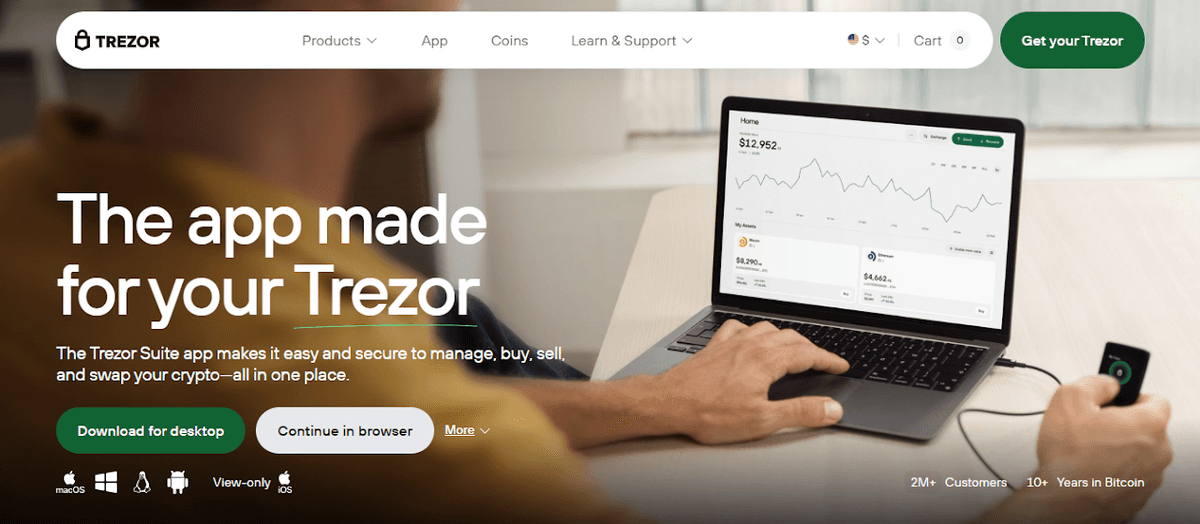
Trezor Wallet Login: A Complete Guide for Secure Crypto Access
Managing cryptocurrency safely starts with choosing a secure hardware wallet—and Trezor Wallet is one of the most trusted options in the industry. But understanding how to properly perform the Trezor Wallet login is crucial for keeping your digital assets protected. Whether you're a beginner or an experienced crypto user, this guide will walk you through the login process, common issues, safety tips, and everything you need to know to confidently access your Trezor Wallet.
What Is Trezor Wallet?
Trezor is a hardware wallet designed for securely storing, sending, and receiving cryptocurrencies. Created by SatoshiLabs, it offers offline private key storage, making it highly resistant to hackers and malware. When you use Trezor Wallet, your private keys never leave the device—even during login or transactions. Instead of traditional passwords, your wallet access is protected through a combination of hardware authentication, PIN codes, and passphrases.
How the Trezor Wallet Login Works
Unlike typical online accounts, the Trezor login process uses a unique security model. Here’s how it works:
1. Connect Your Trezor Device
To begin, plug your Trezor Model One or Trezor Model T into your computer using a USB cable.
If it's your first login on this device, you may need to install Trezor Suite, the official desktop app.
2. Open Trezor Suite
Navigate to the official platform: suite.trezor.io.
Avoid unofficial or phishing websites, as these may steal your recovery phrase or trick you into sharing sensitive data.
3. Authenticate the Device
Once Trezor Suite detects your device, it will prompt you to:
Enter your PIN code on the Trezor device
Confirm your identity through on-screen prompts
Your PIN is entered using Trezor’s secure matrix system, preventing keyloggers from tracking your inputs.
4. Optional: Enter Your Passphrase
Users who have enabled the passphrase feature will be asked to input it before accessing their wallet. This passphrase acts as an extra layer of security.
5. Accessing Your Dashboard
After completing authentication, you’ll gain full access to Trezor Suite, where you can:
View balances
Send or receive crypto
Monitor charts
Manage accounts
Install firmware or updates
This completes the Trezor Wallet login process.
Why Trezor Login Is More Secure Than Standard Logins
Trezor takes a hardware-based approach to account access, making it significantly more secure than browser-based or app-based logins. Key advantages include:
✔ Offline Key Storage
Your private keys never touch the internet, reducing hacking risk.
✔ PIN + Passphrase
A thief can’t log in without both your device and authentication credentials.
✔ Physical Confirmation
Transactions require physical approval on the device screen, protecting you from remote attacks.
✔ Verified Firmware
Trezor Suite only connects to devices running official firmware, preventing fake hardware from compromising your wallet.
Common Trezor Wallet Login Issues and Fixes
Even with a smooth login process, some users may face obstacles. Here are the most common issues and how to resolve them:
1. Device Not Recognized
Try these steps:
Use a different USB cable or port
Update Trezor Suite
Restart your computer
Ensure USB debugging drivers are installed (Windows)
2. Incorrect PIN Attempts
If you enter the wrong PIN:
Each attempt doubles the waiting time
After 16 incorrect attempts, the device wipes (to protect your funds)
Always keep your PIN memorable but secure.
3. Passphrase Not Working
Remember:
Passphrases are case-sensitive
A different passphrase creates a different wallet
If you forget your passphrase, only your 24-word recovery phrase can restore access.
4. Stuck on Firmware Update
Make sure:
You are connected with a stable USB cable
You follow on-screen prompts
You avoid disconnecting during the update
Essential Security Tips for Trezor Wallet Login
To maintain maximum security, follow these best practices:
✔ Use Only Official Websites
Always verify you’re visiting suite.trezor.io.
Bookmark the link to avoid phishing traps.
✔ Never Share Your Recovery Phrase
No support agent, website, or app will ever ask for it.
Anyone with your phrase can steal all your funds.
✔ Enable the Passphrase Feature
This adds a powerful extra security layer.
✔ Keep Firmware Updated
Updates include performance improvements and critical security fixes.
✔ Avoid Public or Untrusted Devices
Always log in on your personal computer.
Final Thoughts
The Trezor Wallet login process is designed to offer unmatched security while maintaining user-friendly accessibility. Whether you’re storing Bitcoin, Ethereum, or multiple altcoins, Trezor ensures your assets are protected through its advanced authentication methods and hardware-based protection. By understanding the login workflow and following the recommended security practices, you’ll be able to confidently manage your crypto holdings with peace of mind.